When Should You Start Mowing Your Lawn in Pasco, WA?
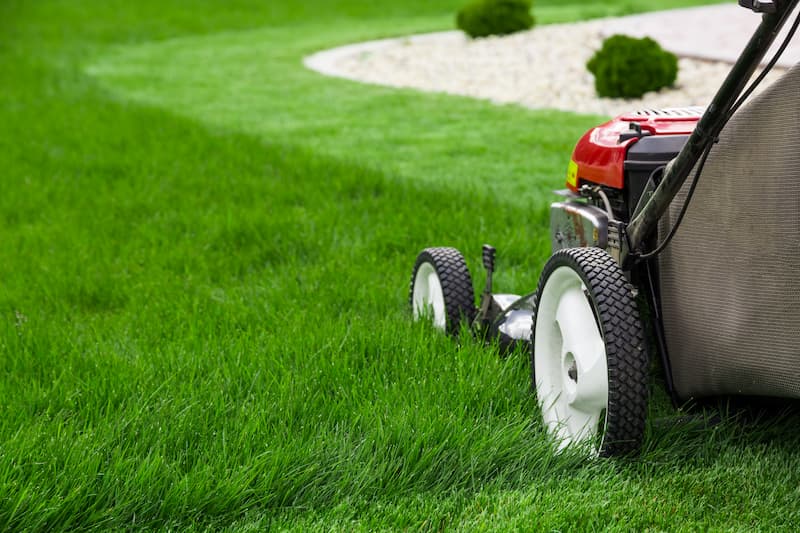
Cool-season lawns in Eastern Washington wake up fast once the ground warms, but the very first cut sets the tone for the whole season. If you are wondering about lawn mowing in Pasco, WA, the safest rule is to let the grass tell you when it is ready. Our team at Desert Lawn Maintenance, LLC times the first mow to protect the crown, encourage thick growth, and avoid stress that can ripple through summer. If you want a professional start to the season, explore our lawn care services and see how we build a healthy schedule for local yards.
You’ll often hear neighbors swap dates, but conditions shift from West Pasco to river-adjacent streets and across the Tri-Cities. For reliable guidance, keep your eye on growth cues and recent weather rather than the calendar. To learn about service options near you, begin at the lawn mowing in Pasco, WA hub and connect with our local team.
What Signals Your Pasco Lawn Is Ready
Most Pasco lawns feature Kentucky bluegrass and fescue. These cool-season grasses wake as soil temperatures settle into the low 50s and daylight stretches. The first steady growth usually follows a stretch of mild afternoons, drier soil, and greener leaf tips. Instead of chasing a date, we watch for a handful of simple, reliable signs.
- Wait until grass reaches about 3 to 4 inches before the first cut. That tells you roots are active and the crown is safe.
- The soil feels firm underfoot rather than spongy or muddy, and the lawn no longer shows frost in the morning.
- Color deepens from winter tan to consistent green across sunny and shaded areas.
- New blades appear upright, and growth is even across open spaces and along sidewalks.
When these signs line up, your turf is ready for a careful first pass that trims growth without shocking the plant.
Soil Temperature And Spring Green‑Up Explained
Soil temperature runs the show each spring. Think of the grass plant like a factory that idled all winter. As the ground warms into the 50 to 55 degree range, roots clock in, and leaf blades begin to extend. Warmer afternoons speed the assembly line. Cool nights slow it again. That push-and-pull is normal around Pasco from late March into April.
Cool-season grasses move through stages as the season turns:
1) Wake-up: roots and crowns rehydrate and repair. 2) Early growth: new leaves emerge, but the crown sits high and vulnerable. 3) Spring surge: tillers multiply, filling thin spots. 4) Early summer: growth steadies, and the plant stores energy for heat later on. Timing the first mow during early growth or the start of the surge keeps momentum without setting the plant back.
Proper Mowing Heights For Bluegrass And Fescue
Height matters more than the exact date of your first mow. Cutting too low exposes the crown and soil, dries the root zone, and invites weeds. Our crews set spring heights to protect the plant while keeping a neat, even look across West Pasco, Riverview, and other neighborhoods.
- Kentucky bluegrass: target 2.5 to 3.5 inches in spring.
- Tall fescue: keep tall fescue around 3 to 4 inches through spring.
- Fine fescue blends: 2.5 to 3.5 inches, depending on shade and site conditions.
Early in the season, we favor the higher end of these ranges to shade soil and protect new tillers. As growth steadies, we fine-tune for the property, sunlight, and foot traffic. Our crews start higher after winter and adjust gradually as conditions improve. This approach preserves the plant’s energy and helps the lawn thicken before summer heat.
Why Mowing Too Early Hurts Your Turf
Starting too soon can do more harm than good. Early spring crowns sit near the surface and bruise easily. If blades are short or the ground is wet, tires and foot traffic compact the soil, which starves roots of air. That sets the stage for thin patches that struggle once heat arrives.
Here are the most common problems we see around Pasco when first cuts happen too early:
Never mow when there is frost on the grass. Frost makes leaves brittle, so blades shatter and turn gray. Cutting wet or saturated ground leaves ruts, compacts soil, and tears plants instead of making a clean cut. Scalping exposes the crown, invites sunburn, and opens space for weeds. All three slow recovery and can linger into June.
A Simple Timeline For Pasco, WA
Every spring is a little different, but a practical window for many Pasco yards falls between late March and mid April. South-facing lots and wind-sheltered blocks may green up earlier. Shaded streets and river corridors often lag a week or two. The key is to pair calendar windows with what you see on your own property.
In West Pasco, broad, sunny lawns often reach first-cut height sooner than yards tucked behind taller trees near Riverview. Newer subdivisions with good drainage can be ready earlier than older properties with compacted soil. Our team tracks these micro-differences so each route gets its best start, whether your home is near local schools, parks, or busier corridors.
Once the first mow is done at a protective height, we focus on consistency. That steady rhythm helps bluegrass and fescue thicken, pushing out winter annuals and early weeds. If you prefer to hand the timing to pros, our crew can set you up with reliable lawn mowing on a route that fits your block and sun pattern.
How Soil, Weather, And Height Work Together
Soil temperature cues the start. Weather reinforces or slows it. Height protects the plant while growth ramps up. Treat these like three legs of the same stool. If one is off, the lawn wobbles.
When soil is warm but storms leave the surface soggy, we hold off to protect structure. When the surface is dry but nights dip near freezing, we delay to keep leaves from cracking. And when growth takes off in April, we keep height high enough to shade the soil and protect crowns. These choices are small on the day of service, but they add up to thick turf in June.
Common Questions Homeowners Think About
“What if my neighbor started already?” Yards a few blocks apart can behave differently. A south-facing corner lot with open exposure warms faster than a shaded interior street. Trust your lawn’s signals rather than the mowing day across the street.
“What height should my bluegrass be if it looks thin after winter?” In early spring, lean toward the higher end of the range to help tillers branch. As density improves, we adjust for the look you prefer within healthy limits.
“How do I know the ground is firm enough?” If footprints linger or you can twist a shoe and leave a rut, the soil is still too wet. Waiting protects the root zone and saves recovery time later.
Neighborhood Notes Across Pasco
Sun, wind, and soil differ across the city. Open, breezy streets in newer parts of West Pasco dry faster after rain. River-proximate areas keep cool a bit longer, and shaded cul-de-sacs may need extra days before the first pass. Our local routes reflect these patterns so your schedule matches your microclimate rather than a fixed calendar date.
If your lawn spent winter under heavy shade or foot traffic, the first spring pass is especially important. A higher initial cut shields tender crowns and buys time for roots to rebuild. That patience pays off with thicker cover once school is out and summer gatherings pick up.
Best Practices Our Crews Follow In Early Spring
We focus on plant health and consistency, not just a quick trim. Around Pasco, that means setting protective heights for the first pass, monitoring surface moisture, and keeping blades sharp for a clean slice. A clean cut heals faster, loses less water, and resists disease pressure better than a torn leaf.
Our agronomic approach is simple: protect crowns, preserve leaf area, and build density before summer. That is how lawns handle kids, pets, and backyard barbecues without thinning out by July. These habits are part of our routes whether we’re along Road 68, near community parks, or closer to the river.
Quick Reference For Heights And Timing
Bluegrass and fescue thrive when spring mowing respects their growth curve. Here’s a compact reference you can keep in mind when you think about the first few weeks of the season:
- Kentucky bluegrass: 2.5 to 3.5 inches, favor the higher side for the first cut.
- Tall fescue: 3 to 4 inches, especially on sunny, breezy sites that can dry quickly.
- Fine fescue blends: 2.5 to 3.5 inches, ideal in shaded or lower-traffic spots.
- Begin the season once growth is steady, the lawn is 3 to 4 inches tall, and the soil is firm.
Start The Season Right With Desert Lawn Maintenance, LLC
Getting the first mow right saves weeks of recovery and sets your lawn up for a strong spring. If you want a schedule that fits your block, sun, and soil, our local crew is ready to help across Pasco. Look through our full lawn care services, then call 509-366-9543 to reserve your spot on our spring routes.
Whether you are near West Pasco, close to the Columbia River, or anywhere in the Tri-Cities, we align timing with soil temperature, weather, and proper mowing height for your grass type. That way your lawn fills in fast, stays resilient, and looks great for family time and neighborhood get-togethers throughout the season.
Ensure a Healthy Lawn Schedule Your Lawn Maintenance Service Now In Pasco!